
Care and Repairs
Let's grow old together, because it's great to keep the team on the ground and away from the garbage dumps! And because all relationships take some effort.
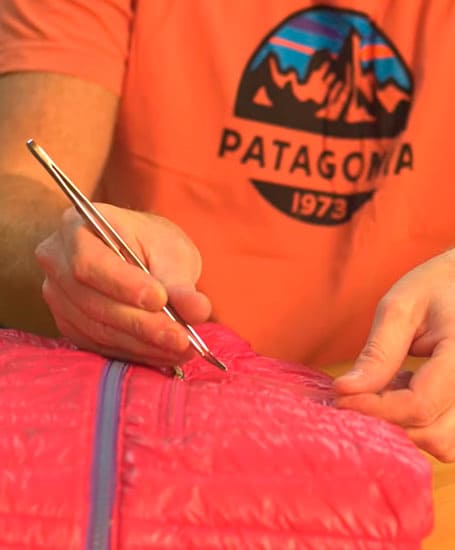
DIY Repair Guides
Tell everyone you fixed it yourself. Help a friend repair their things. Use an iron for the first time in ages. These are simple instructions for those awesome people who like to make things work again.
How to repair a channel in your Patagonia jacket
How to repair a loose stitch on a Nano Puff®️ Jacket
Product Care 101
Washing, stains, and fabrics can be a real headache. Here are all those clever tricks that will keep your gear in good shape—well into old age.
Because nobody knows what the symbols on the label mean.
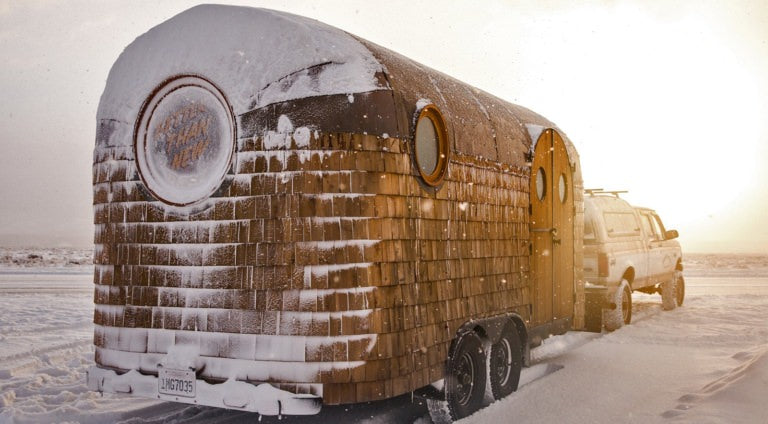
Worn Wear Stories
Celebrating the stories we wear.

Better than we thought
Kern Ducote
After 48 days in the same vehicle, with the same four people—actually five if you count the second shadow, Brandon's beloved dog, Rudy (who is half dog and half human)—one is ready to spend a week. We've been on the move for the last two months, racing from Squaw Valley to Aspen, to Jackson Hole, into the Pacific Northwest, and finally to Whistler.

Discover the pockets of the world's most traveled and documented shorts
Vincent Stanley
We don't know for sure when Cesare Fiorucci of Seregno, Italy, bought his first pair of stand-up shorts. Or how soon he adopted the habit of writing down each country he visited in them on the pockets. But we do have photographic evidence illustrating the first entry as: “Guinea-Bissau 88/89.”

The gift of stories
Stephanie Vermillion
It was a misty summer day at Presque Isle State Park in Pennsylvania when Michele Janci reached the milestone of midlife: turning 50. Unlike many, she embraced the half-century mark without fear. Janci, a northeast Ohio native and avid paddler, took up kayaking last spring and entered a new chapter of her life that August day, with the help of a secondhand kayak.

Death to the lockdown!
Sakeus Bankson
Austin Robbs thinks zippers are perfect. And that's why he hates them. As Patagonia's product manager for equipment, Robbs is intimately familiar with this 150-plus-year-old invention. He uses them every day while designing high-performance outdoor backpacks, duffels, and sleeping bags, and he knows their superiority over other options like buttons, Velcro, or magnets. He also knows that broken zippers are nearly impossible to repair and a nightmare to replace.

The little red one from the museum
Nacho Elorza
Dear friends at Patagonia, make no mistake, they make the best, most comfortable, functional, and technical gear for people who enjoy outdoor activities. And I'm going to tell you why I think so.

Washing
Having trouble deciphering the symbols on your clothing label? We've got you covered. The Federal Trade Commission's Product Care Symbol Guide will explain everything—and help you keep your gear in great condition.
Washing instructions are printed on a white label inside your garments. Following our garment care instructions will help ensure your gear has a long and enjoyable life. In general, washing your gear in cold or warm water with a mild detergent (non-toxic, biodegradable detergents are preferred) and hanging it to dry are the best ways to clean your Patagonia® products.
Given the rugged nature of the trails that inspire most of our gear, Patagonia doesn't make anything that requires dry cleaning. Our clothing is made to be worn and washed with minimal effort. More importantly, the EPA estimates that 85% of dry cleaning in the United States uses tetrachloroethylene, or “perc,” to clean garments and textiles. This chemical solvent poses significant risks to humans and the environment. We make clothing that can be worn and performs at its best without all that.
We generally do not recommend using fabric softeners or conditioners with our products. Adding fabric softeners or anti-static towels to your wash cycle may increase softness, but this enhanced feel is achieved by depositing wax-based agents on the fabric's surface. This wax residue left on your clothes can: impair the fabric's moisture-wicking and quick-drying performance; inhibit odor control; reduce the longevity of spandex; and worst of all, prevent your DWR (durable water repellent) from doing its job.
In general, Patagonia garments don't require ironing. However, if you want to make a good impression on your partner's parents and feel it would be best to smooth out the crease in your pants after a bouldering session, you should first check the ironing symbol on the care label to ensure it's safe to iron. If the ironing symbol is crossed out, don't iron it. The dots on the label indicate how much heat you should use—fewer dots mean less heat.
For a guide to the product care symbols you might see on our clothing labels, click here.
Hang your clothes to dry whenever possible. If an item is dark, hang it inside out to prevent fading, including jeans. Hang T-shirts from the bottom up and pants and skirts from the waistband so clothespin marks are less visible. Hanging clothes to dry saves energy and reduces environmental impact.
For some items, you'll need to use a dryer to get the best performance from your gear. Drying waterproof/breathable fabrics on a medium/warm setting will help renew the fabric's durable water repellent (DWR) finish, preventing the outer fabric from becoming saturated in wet conditions. For maximum loft and a cozy feel from your down-filled garments, see the Down Washing/Care section below.
Placing your synthetic clothing in a filter bag—like the Guppy Friend Wash Bag—before handwashing or washing it in a washing machine can significantly reduce the amount of microfibers going down your drain. Guppy Friend bags are easy to use and are available at patagonia.com and in our stores across the United States and Europe. Another option is a permanent washing machine filter (which requires some basic plumbing skills). For both options, be sure to clean your filter bags after a couple of washes when fiber buildup becomes visible. Wipe the fibers off with your finger and dispose of them in the trash.
Use a detergent specifically designed for down feathers and follow the instructions on the bottle. Traditional detergents can strip down feathers of their natural oils and negatively affect their ability to regain volume and their overall performance.
Front-loading washing machines are preferred, although a top-loading machine will work fine on a hand wash or delicate cycle.
Down products will have better volume, which translates directly to better performance (keeping you warm), if you use a dryer instead of hanging them to dry. To help loosen and redistribute the down, put two tennis balls or a thick cotton towel in the dryer. Be patient; it will take a couple of drying cycles to be completely dry and free of down clumps.
Most waterproof/breathable outer layers on the market are treated with a Durable Water Repellent (DWR) finish, which prevents the outer fabric from becoming saturated and allows the breathable barrier to do its job by keeping you comfortable and dry.
Remember, a clean third layer is a happy third layer. Be sure to wash your waterproof/breathable garments and regularly replenish their water-repellent coating. Drying waterproof/breathable fabrics on a medium/warm cycle will help renew the fabric's durable water-repellent (DWR) finish.
After countless adventures and washes, your waterproof/breathable garments will need more than just a simple wash and dry to revive the DWR finish. Once water beads up on the surface of the garment, it's time to apply a spray solution, which you can find at your favorite outdoor gear store.
A thorough rinse with fresh water after every outing is essential. Washing your waders while wet or not rinsing them with fresh water can lead to harmful mold growth and eventually fabric degradation. Similarly, excessive heat and humidity can cause irreparable damage, so please don't leave wet waders in a hot car over the weekend.
We design all Patagonia waders and wading pants to be easy to machine wash and dry. It's a good practice to wash your waders before they start to look dirty or develop any unpleasant odors. We recommend washing and drying them when moving between tributaries, as this reduces the transfer of invasive species between waterways. Before storing them for an extended period, wash and dry your waders.
The symbols for proper care are printed on all our waders. Here are some instructions that may be helpful:
We suggest washing them by hand or in a washing machine with cold water and mild detergent, using a machine without an agitator for regular washing to remove dirt and body oils. Open zippers and pockets for a deeper clean. If using a washing machine with an agitator, be sure to use the delicate cycle. Once the water has drained, follow with a low-heat drying cycle, which helps kill contaminants.
Start the drying cycle with the waders turned inside out and turn them right side out again once the liner feels dry. Finish with a low heat cycle and you're done!
To refresh and help break the alkaline bond left behind when fishing in brackish water, you can use 1/4 cup of distilled white vinegar as a substitute for mild detergent in the process described above. The vinegar also helps remove invasive species and eliminates the lingering body odor that occurs with detergent buildup.
Do not bleach, iron, dry clean, or use fabric softeners.
Fish a lot, fish often, and fish clean.
Here are some recommendations to extend the life of your boots and keep you in the water longer and for many good fishing seasons.
For non-leather wading boots, the most important cleaning step is to brush off any dirt and rinse with fresh water after each use. When wading in brackish water, it can be helpful to spray the surface with distilled white vinegar to break down the chemical bonds created by the alkaline water. Then rinse with fresh water. Make sure the boots are completely dry before storing them in a dry place. Keeping wet boots in a hot car for an extended period can result in damage and separation of the sole. Products like Barge Cement or Shoe Goo can be helpful for reattaching a detached sole.
It's also important to brush off any remaining dirt and rinse with fresh water after each day in the water for leather wading boots. Using a bristle brush or a coarse cloth should be enough to loosen dirt, mud, and sand. Remove the insoles and rinse, then drain the boots completely.
To dry leather wading boots, feel free to use a boot dryer—the low heat and slow movement of dry air are best for overnight drying. Additionally, rolled-up newspaper can also absorb moisture—change the rolls until they dry, then recycle them. Never dry your boots too close to a source of intense heat (such as a fire, a hairdryer, direct sunlight, or too close to a space heater).
Condition your full-grain leather boots when the leather starts to look dry or every 3 to 6 months. Please remember that leather is not indestructible. Improper care will cause it to harden and crack. Leather that gets wet and dry regularly will experience this process accelerated if it isn't conditioned regularly. Conditioning is easy and usually takes only a few minutes per boot. Using your hands or a thick cloth, coat the boot with water—or a silicone-based conditioner. If you notice conditioner building up around the seams or metal parts, use a cotton swab to remove the excess. If you're using a water repellent, be sure to apply it after the conditioner, but not until your boots are completely dry.
The leather on Patagonia wading boots is treated to be waterproof, but this can lose its effectiveness over time. Waterproof your boots 2 to 3 times a year; we recommend using Danner Waterproofing Spray or gel.
We've spent years developing and field-testing Patagonia wetsuits to ensure a good balance between performance and durability. But no wetsuit will last forever. Proper care will maximize the lifespan of your suit.
Rinse your wetsuit with fresh water and hang it to dry inside out after each session. Do not dry or store it in direct sunlight. Avoid folding it to prevent creases. If you need to wash your wetsuit, we recommend hand washing it with a detergent specifically designed for wetsuits. We use and recommend Pau Pilau Biological Wetsuit Cleaner; Dr. Bronner's liquid soaps are also good. Never use a washing machine, dryer, dry cleaner, or bleach. See Wetsuit Care for more information.
If you need to send your wetsuit in for repair, please download and follow the instructions on our Wetsuit Repair and Warranty Form.
Stain Removal Guides
A liquid degreasing dishwashing detergent can be used to remove different types of stains: cleaning tough spot stains, removing grease stains, and more.
Isopropyl alcohol (household alcohol) is a great degreasing agent that works best as a spot cleaner and removes tough surface oils that soap or detergent can't get rid of.
Most mishaps on your adventure can be dealt with and cleaned up with just these two items!
One of the rewards of bouldering in alpine terrain is being able to collect those delicious berries along the way. Remove berry stains by soaking the stained garment in white vinegar or lemon juice for 5 minutes. Rinse thoroughly with cold water. Machine wash as usual.
If possible, immediately wash blood stains on a garment with cold water. Then, soak the garment in cold, salted water. Do not use hot water; hot water will set the stain permanently. If the blood has dried, try cleaning it by soaking it in a solution of ammonia and water before washing it according to the product care label. Test on an inconspicuous area of the fabric to check for discoloration before applying the solution to the stain.
Delicious on toast, but not on your clothes. And remember, your toast will always land butter-side down! There are a couple of approaches to tackling those greasy, oily stains. Remove excess butter with a grease-cutting dish soap. Wash the garment as usual. You can also make a paste with water and powdered laundry detergent. Rub the paste onto the stain, let it sit for 30 minutes, and then wash according to the garment's care instructions.
Chocolate goes well with almost everything (we think it tastes best after a long descent on powder), but not with clothes. Start by scraping off as much of the stain as you can. A liquid grease-cutting dish soap, mixed with water, can be used to remove the residue. Finish by washing the garment with warm, soapy water.
Coffee energizes your early mornings and keeps you awake at the wheel while crossing Nevada at night, but if you spill it on your shirt, waking up will be a completely different experience. Immediately wet the area with cold water. Repeat until the stain disappears. For more stubborn stains, treat the fabric with liquid detergent or a paste of powdered detergent and water. Let it sit for 15 minutes. Rinse thoroughly. Don't dry it until the stain is gone.
Whether you work in a mechanic's shop or cycle to work every day, there's a good chance that you and your clothes will come into contact with some kind of grease.
Fortunately, grease comes out of fabrics fairly easily. Treat the area using a grease-cutting dish soap. This should usually remove the stain. Wash as usual.
If you lose a bubble-blowing contest with bubble gum, freeze the gum until it hardens, then scrape it off the fabric. If necessary, use rubbing alcohol to remove the stain. Then wash the garment according to the instructions.
Ink always seems to stick, so don't be discouraged if your first attempts to remove it are unsuccessful. Try blotting the stain (don't rub it in) with a cotton ball or a clean cotton cloth dampened with a few drops of rubbing alcohol (this may take several tries). First, test the alcohol on an inconspicuous area of the garment and let the fabric dry. If there's no discoloration, dampen a second cotton ball and dab it on the stain, but don't saturate the fabric. Allow it to dry. Using a toothbrush, dab the stain with a drop of dish soap and brush until the stain is gone. Wash and dry according to the garment's care instructions.
Did you hug a tree today? If so, rejoice and read on. To remove pine sap, use an ice cube to freeze the area until it's completely frozen. Scrape off any residue that may remain. Use a cloth soaked in rubbing alcohol to remove the stain, then rinse with cold water. If the stain persists, treat the area with a little liquid laundry detergent. Let it soak for 5 minutes, then follow the washing instructions. Don't dry your garment until the sap has been removed.
As quickly as possible, apply a solution of 3 parts hydrogen peroxide and 1 part liquid dish soap. Gently blot with a clean, dry cloth to lift the stain and continue until it disappears. Do not rub, as this will set the stain. Once the stain is gone, wash the garment according to the care label instructions. If the stain persists, open another bottle!
Fabric Care
Hand wash cashmere in cold water. Use a mild shampoo with a small amount of mild, fragrance- and dye-free detergent. Let the garment soak in the sink or gently swirl it, but do not rub or wring it. After soaking, rinse it with fresh water until the water runs clear.
Gently squeeze the garment to remove excess water.
Wash your organic cotton gear in cool to lukewarm water with a mild detergent (preferably a non-toxic, biodegradable one) and hang to dry if possible. You can also use a dryer on a low heat setting. If you have any doubts, check the care label on your garment.
GORE and Patagonia's waterproof/breathable fabrics will give you years of optimal performance if you keep them clean and free of dirt, sunscreens, or oils from your skin.
Wash waterproof/breathable garments in the washing machine with warm water (86˚F/30˚C) using a “technical wash” specifically formulated for waterproof/breathable garments.
If you don't have a professional laundry solution at home, you can use a biodegradable detergent that's fragrance- and dye-free. If you're using a standard detergent, be sure to give the garment an extra rinse cycle to ensure it's completely free of residue.
Drying waterproof/breathable fabrics on a medium/hot cycle will help renew the fabric's durable water repellent (DWR) finish, preventing the outer fabric from becoming saturated in wet conditions. This step will keep you comfortable for longer.
After many adventures and washes, your waterproof/breathable garments will need more than just a simple wash and dry to revive the DWR finish. When water beads up on the garment, it's time to apply a spray solution, which you can find at your favorite outdoor gear store.
Wash any hemp garment in cold or lukewarm water with a mild detergent (preferably a non-toxic, biodegradable one) and hang to dry if possible. You can also use a dryer on a low heat setting. If you have any doubts, check the care label on your garment.
Hand wash lambswool garments in cold water with a small amount of mild, fragrance- and dye-free detergent or Storm Merino Wool Wash. Let the garment soak in the sink—do not twist, rub, or wring it. Then rinse it with fresh water until the water runs clear. Gently squeeze out excess water.
Dry your lambswool garment by placing it on a dry towel and stretching it to the correct shape and size before leaving it to air dry.
Merino wool's natural odor-resistant properties allow you to wear your garment multiple times between washes (ideal for road trips). That said, when even your dog refuses to share your sleeping bag, wash your merino base layer in the washing machine with cold water. We recommend washing your merino garment with Storm Merino Wool Wash and then drying it on a low heat setting—or lay it flat on a dry towel to save energy and reduce your environmental impact.
Machine wash your Primaloft® garment with a mild detergent on a gentle, cold water cycle. Tumble dry on low heat or hang to dry.
Wash the polyester in the washing machine with warm water on a "permanent press" cycle. Use a mild detergent (preferably a non-toxic, biodegradable one) and hang to air dry if possible. You can also use a dryer on a low heat setting; just be sure to remove it from the dryer as soon as the cycle finishes to prevent wrinkles.
To remove stains from polyester, use a couple of drops of liquid dish soap directly on the stain and rub it in until the stain begins to lift. Rinse thoroughly with clean water.
Wash the polyester in the washing machine with warm water on a "permanent press" cycle. Use a mild detergent (preferably a non-toxic, biodegradable one) and hang to air dry if possible. You can also use a dryer on a low heat setting; just be sure to remove it from the dryer as soon as the cycle finishes to prevent wrinkles.
To remove stains from polyester, use a couple of drops of liquid dish soap directly on the stain and rub it in until the stain begins to lift. Rinse thoroughly with clean water.